 Get MAKE IT HAPPEN
The OG Diva era · Early 2000s
A real room.
A new ownership system.
Divas Who Dine brings the intelligence, style and useful connections of the original Manhattan table into a curated media-and-opportunity network.
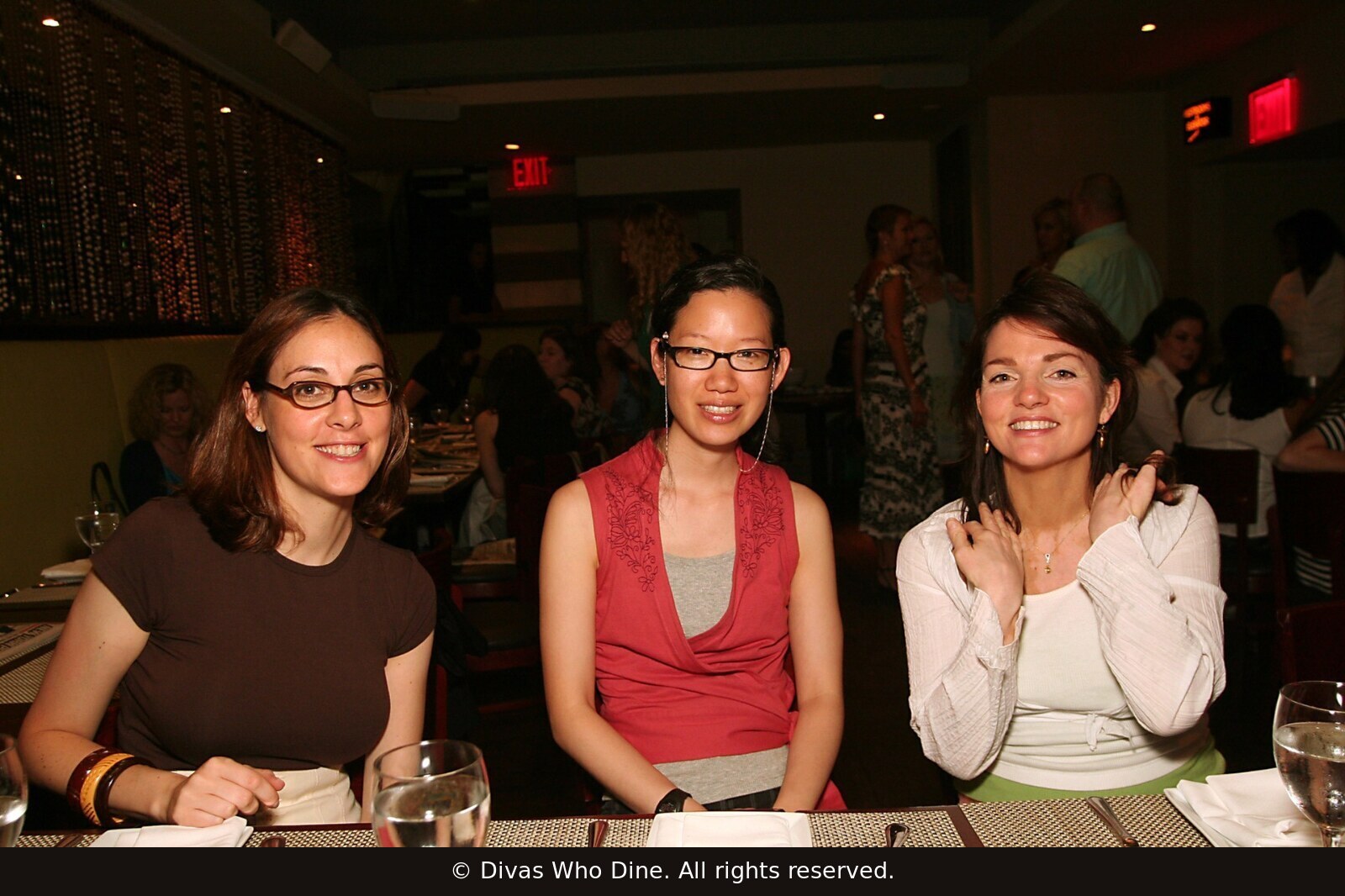
THE OG DIVA ERA · NEW YORK CITY · JUNE 2006
The origin
We were a sisterhood before the world became digital.
In the early 2000s, Divas Who Dine held tables at coveted lunch spots across Manhattan for fashionable, ambitious women in media, fashion, entertainment, culture and business. The meal was the setting. The women were the point.
The name was a play on “Ladies Who Lunch.” But the women around our tables were building careers, making culture and forming professional alliances and genuine friendships.
We were in our Sex and the City era—building careers, wearing the clothes, comparing notes and becoming the women we would become. We were not watching New York happen. We were making it happen.
The original model depended on physical proximity. The underlying value did not.
The room changed. The value did not.
Today, the ecosystem connects accomplished women across generations. Original Divas turn what they built offline into personal brands, owned audiences and profitable online intellectual property. Women entering through The Next Table and Divas in Training bring digital fluency—and gain the standards, relationships and pattern recognition that only experience produces.
The OGs know how business, influence and professional alliances actually work. The younger Divas know how attention moves now. The exchange is reciprocal by design.
The founder
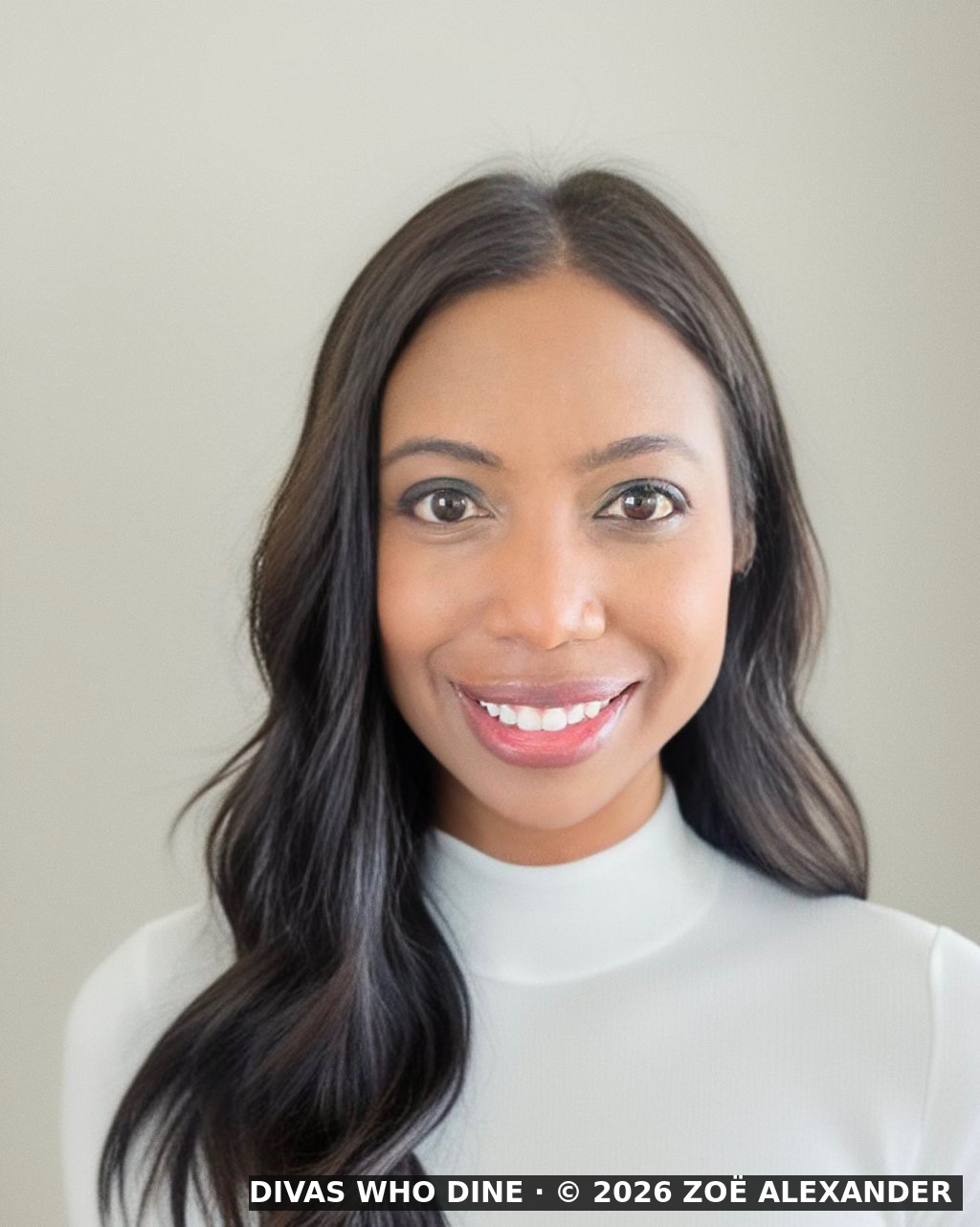
Zoë built the table.
It started with lunch.
In the early 2000s, Zoë Alexander was a Staff Reporter for Us Weekly in New York. Publicists were always asking to take her to lunch so they could pitch their clients.
Instead of filling her calendar with separate PR lunches, Zoë began batching them. She invited reporter friends and booked tables at Manhattan’s hottest new restaurants or old-school media institutions like Michael’s.
Everybody got more out of the table. A publicist could pitch Zoë and other reporters she might not otherwise reach. Reporters from New York’s magazines and newspapers—most of whom already knew one another—could catch up, trade leads and sometimes leave with the seed of their next story. The lunches were efficient, useful and genuinely fun. They became a thing.
“I could see the value in the format. But why did every networking event feel like it was built for insurance salesmen? Media and fashion needed this.”
So she built it. What began as a smarter way to handle PR lunches became Divas Who Dine: a business, a network and a coveted Manhattan table.
“We were young women in New York branding ourselves inside our professions, building alliances and trying to get off the worker-bee hamster wheel. Divas Who Dine was my IP. I was ahead of my time.”
An IRL social network—before social media.
Facebook Groups are the digital offshoot of something Divas Who Dine was already doing in person: gathering a specific community, giving it a reason to return and making useful connection easier. Zoë remembers Divas as an early Eventbrite customer—so early that ticket-sale proceeds arrived as paper checks in the mail. The internet could sell the seat; it just could not direct-deposit the money yet.
The idea traveled. At its height, Divas Who Dine had five chapters: New York City, Miami, Philadelphia, Washington, D.C., and Los Angeles.
Then everybody’s careers popped.
The young reporters began landing anchor jobs. The PR women started their own agencies and built A-list client rosters. The women around the table became executives, founders and names in their fields. At the same time, running several city chapters became too much for one person to manage.
Zoë left New York, got married, had a baby and returned home to Los Angeles. The original era paused. Looking at the careers that had taken off, she thought: My work here is done.
The technology finally caught up.
That baby is now in college. As an empty nester, Zoë has the time—and the remote technology she once wished existed—to reopen the table nationally. Community is no longer an anomaly; every platform has its version. She welcomes that. The opportunity now is to combine old-school wisdom with new-school ownership and distribution.
The next chapter keeps the magic of the original room and gives it modern reach: editorial, intelligence, useful visibility and a private network built on reciprocity.
Invite Zoë to interview or keynote ↗